
What to Look for When Hiring a General Contractor for Your Business
Expanding, renovating, or constructing a commercial facility represents a pivotal milestone for any growing organization. Commercial build-outs require balancing operational demands, architectural drawings, municipal zoning ordinances, supply chain timelines, and field safety protocols. Because business leaders must balance these complex variables while simultaneously running daily operations, bringing on a dependable commercial partner is essential. Selecting the right business general contractor determines whether a capital project concludes efficiently or encounters protracted delays and organizational disruption.
A commercial construction endeavor differs significantly from smaller, personal renovation tasks. The stakes involve regulatory compliance, employee safety, operational uptime, municipal code adherence, and long-term brand presentation. Knowing how to evaluate potential building partners enables commercial property owners and corporate decision-makers to safeguard their operational goals from concept through completion. When embarking on an expansion, hiring a seasoned business general contractor ensures that every stage of field production aligns with company objectives. This guide outlines the essential qualities, credentials, labor management practices, and project coordination capabilities to look for when choosing a building partner for your commercial venture.
Evaluating Credentials and Qualifications
Before reviewing portfolios or meeting project executives, commercial leadership must verify that candidate firms possess the foundational qualifications required to operate legally, ethically, and responsibly.
Confirming Proper Licensing and Active Coverage
Every municipal authority enforces distinct regulations regarding commercial licensing and site governance. A reputable commercial builder holds up to date general contracting licenses for the specific jurisdiction where your facility operates. In addition to verified licensing, commercial facilities demand substantial risk management policies. Request certificates demonstrating comprehensive general liability protection and workers' compensation coverage for on-site staff. Commercial operations carry unique exposures, from heavy machinery movement to high-traffic utility hookups, making proper coverage non-negotiable. Vetting these legal safeguards early in the process shields your organization from unwanted liabilities and unnecessary exposure.
Verifying Relevant Commercial Experience
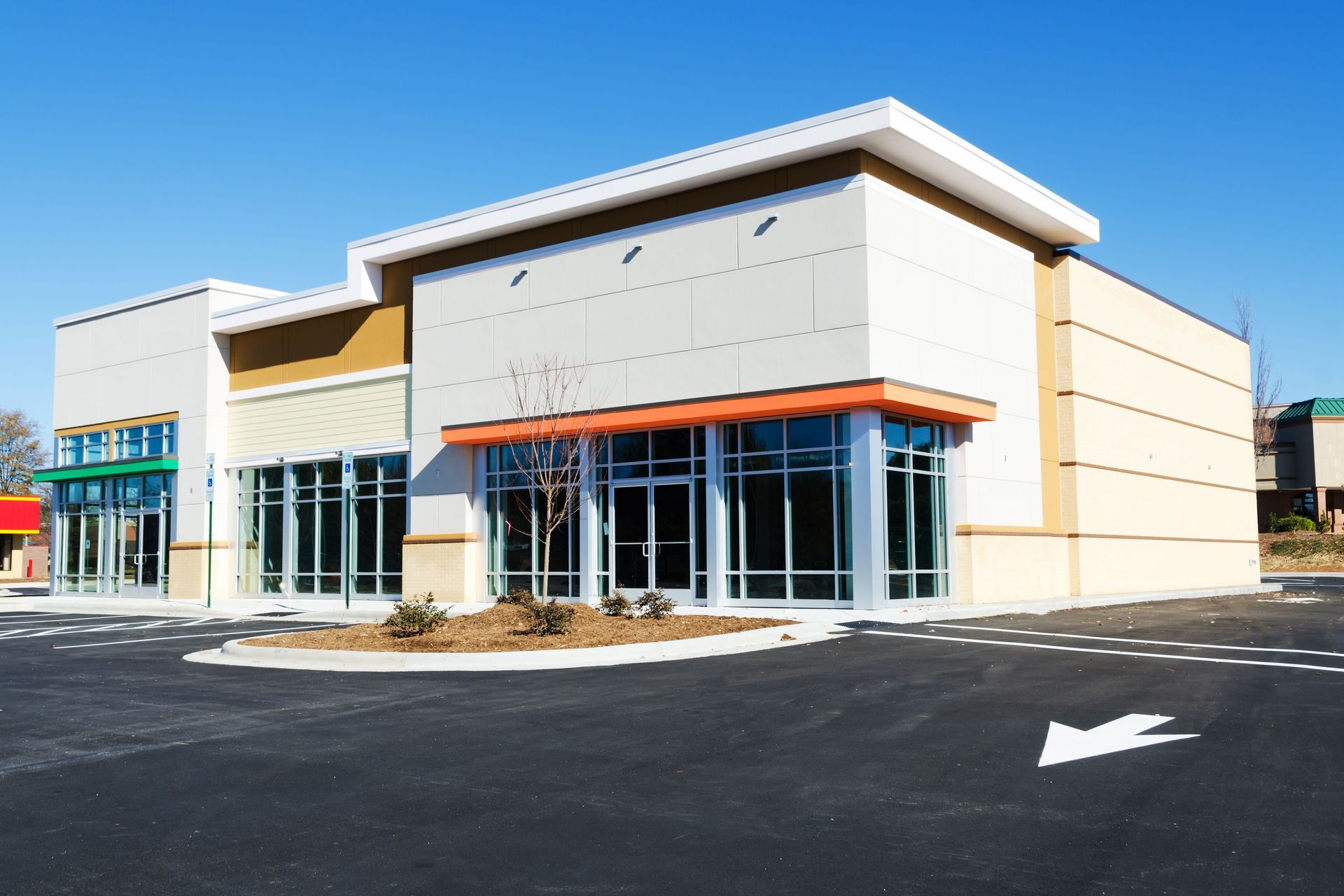
Commercial building techniques diverge substantially across different facility types and structural layouts. A team that excels at light residential modifications may lack the specialized expertise needed for poured concrete footings, structural masonry, architectural carpentry, or complex building mechanicals. When vetting a business general contractor, examine their recent portfolio for commercial builds that mirror your specific operational environment. Whether preparing a high-footprint retail storefront, an administrative education facility, or a multi-use corporate office, relevant commercial project history ensures the crew understands commercial building codes, occupancy thresholds, and fire safety protocols. A knowledgeable commercial partner anticipates hurdles before ground is broken.
Assessing Project Management Capabilities
Modern commercial construction hinges on logistics, resource allocation, and field scheduling. Managing trades, inspections, and materials demands dedicated administrative and technical leadership from start to finish.
Examining Integrated Design Build Capabilities
Many business owners benefit from an integrated delivery approach rather than coordinating several independent entities. Rather than managing separate contracts between structural designers, architects, and field personnel, opting for a design build delivery method centralizes coordination under a single accountable umbrella. This unified project delivery simplifies communication lines, bridges the gap between conceptual drawings and field realities, and prevents misunderstandings between designers and trades. A commercial provider with strong design build expertise helps ensure that architectural ideas remain structurally sound, operationally functional, and buildable from day one.
Reviewing Concrete and Masonry Capabilities
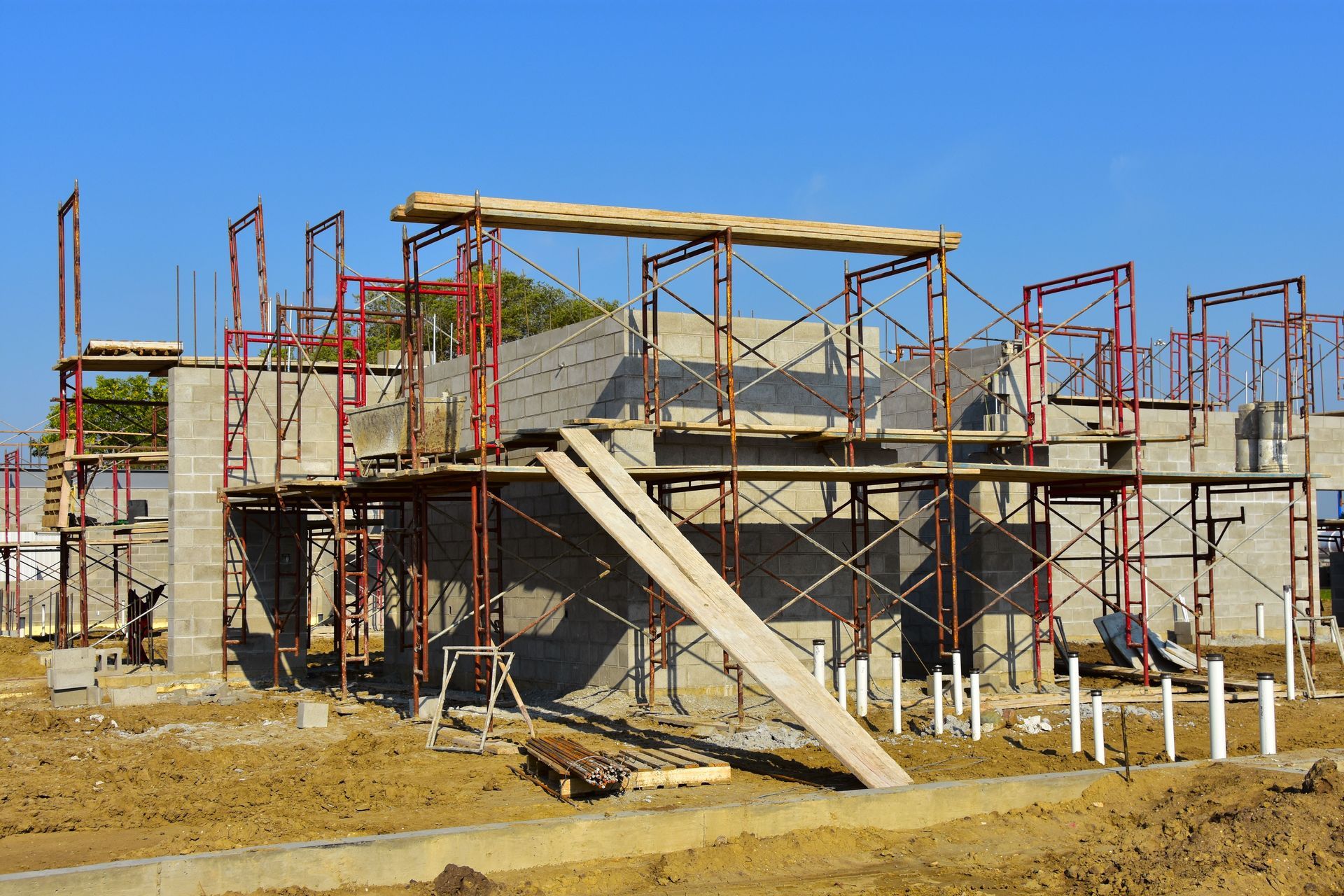
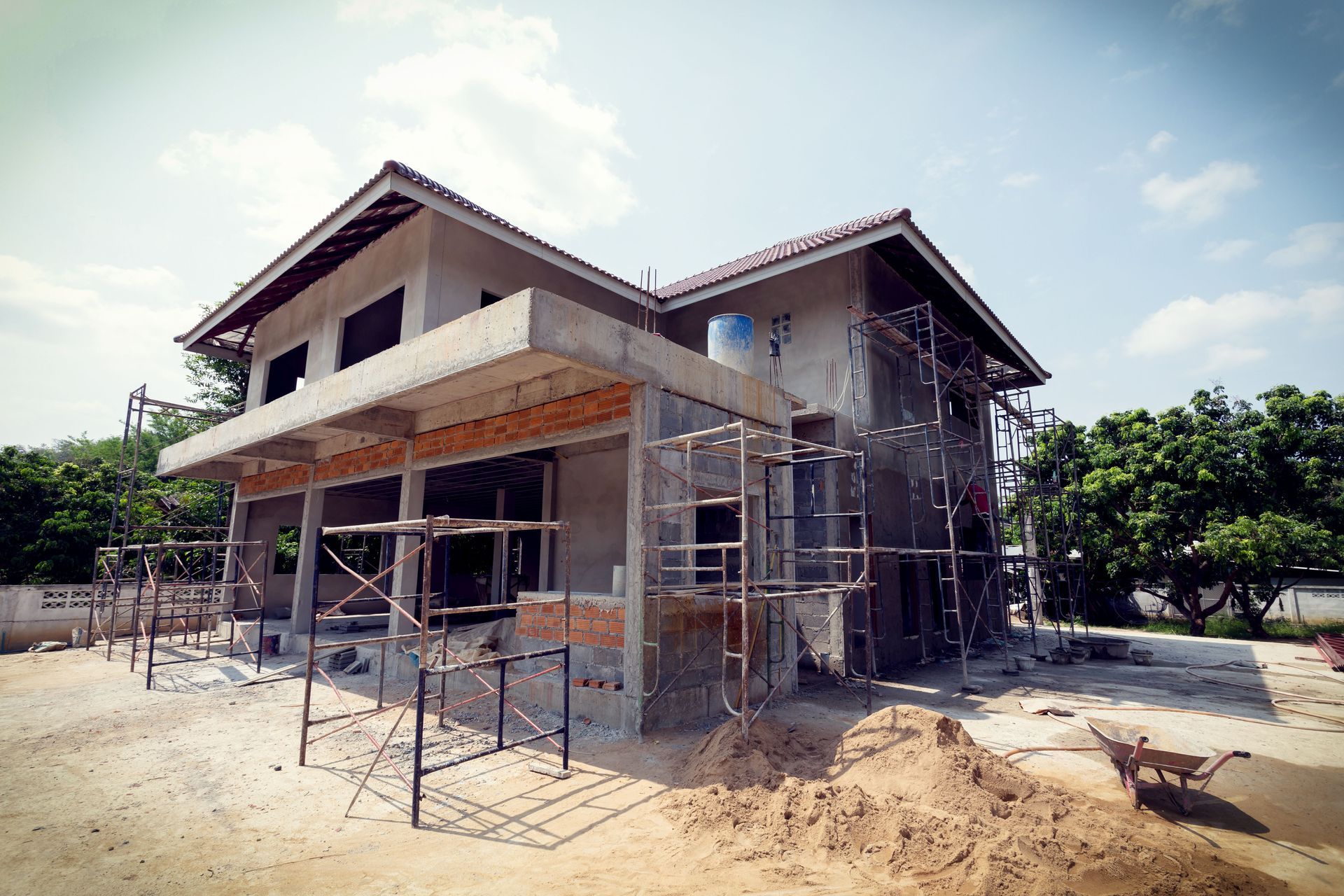
A building is only as dependable as its structural envelope and foundation. Commercial properties frequently demand heavy-duty structural components, ranging from foundational footings, retaining structures, and slab foundations to durable block masonry and exterior brick facades. Inquiring into a provider's core proficiencies in concrete and masonry services reveals whether they possess direct oversight of primary structural components. When a commercial builder demonstrates deep technical command over these structural trades, structural durability is prioritized early in the building timeline. Having direct command over masonry and concrete work also prevents costly sub-tier delays during critical early site phases.
Analyzing Carpentry and Interior Build-Out Craft
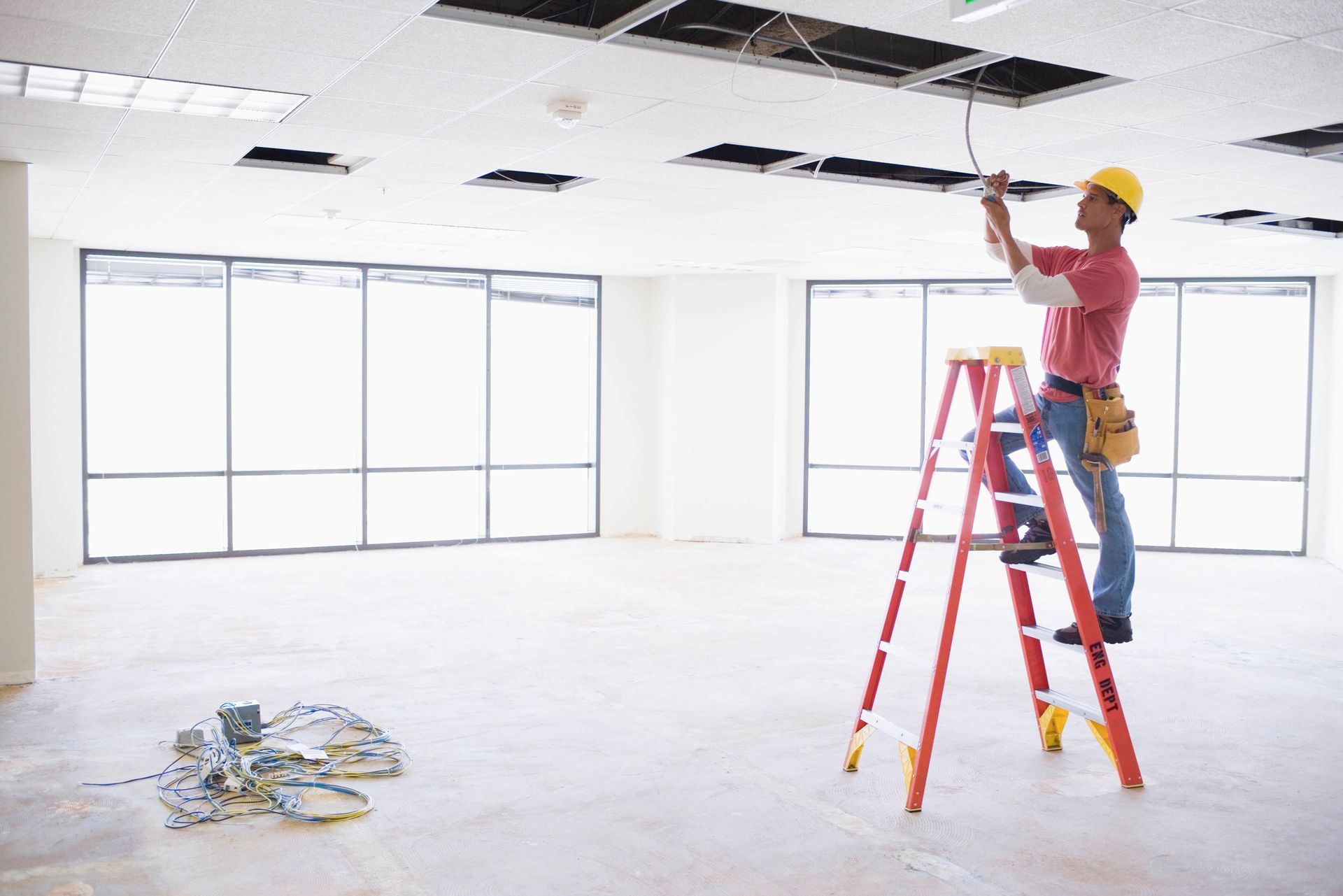
Interior aesthetics and spatial arrangements shape workplace productivity, acoustics, and customer perceptions. Comprehensive commercial general contracting extends to precision structural framing, interior partitions, and refined finish carpentry. Commercial framing must accommodate heavy utility conduits, fire suppression runs, and sound attenuation assemblies. Assessing a builder's capability in rough and finish carpentry ensures the interior architecture aligns precisely with your corporate interior schematics. Skilled wood and metal framing, architectural millwork, and clean interior trim form the tangible details that employees and clients interact with every single day.
Reviewing Operational Standards and Labor Management
On-site operations directly impact workplace safety, schedule predictability, and community relations. Vetting how a firm manages workers and adheres to field standards provides clear insight into their professional integrity.
Navigating Industry Workforce Dynamics
A well-organized builder knows how to navigate regional labor conditions to maintain schedule momentum. The broader construction sector operates in an active employment climate that requires constant recruiting and personnel coordination. According to the Bureau of Labor Statistics, the construction and extraction sectors anticipate approximately 663,500 annual job openings across the nation. This steady industry turnover underscores why working with an established business general contractor matters. Experienced commercial builders maintain enduring relationships with skilled tradespeople and experienced supervisors, insulating your corporate project from unpredictable workforce shortages. A qualified business general contractor utilizes these established industry networks to keep daily staffing levels consistent and productive.
Prioritizing Construction Management and Safety Culture
Strong construction management practices involve rigorous site management, strict adherence to Occupational Safety and Health Administration regulations, and consistent quality checks throughout each trade's scope. Inquire about the full-time field supervision assigned to your facility. A dedicated on-site manager monitors trade performance, coordinates routine municipal inspections, enforces safety gear policies, and maintains clean staging areas. A clean, organized job site reflects professional discipline and significantly reduces the risk of on-site accidents that could stall your building permit. An experienced business general contractor treats job site safety and code adherence as essential core responsibilities.
Analyzing Communication and Alignment
A successful commercial building venture relies heavily on transparent dialogue, clear documentation, and collaborative alignment between the client and the builder throughout the life of the job.
Establishing Clear Communication Protocols
Communication gaps represent one of the most frequent causes of project schedule friction and organizational frustration. From the initial consultation, evaluate how promptly and clearly a firm's leadership responds to questions and logistical inquiries. Determine the primary point of contact for daily updates and learn how change events, unforeseen site conditions, or material delivery adjustments are formally communicated. Professional commercial builders utilize structured status meetings, written field reports, and documented updates so corporate stakeholders never face surprises regarding milestone progress. Clear progress tracking allows executive teams to prepare operational staffing and equipment moves with accurate target dates.
Seeking Transparent References and Testimonials
Speaking with previous commercial clients offers unvarnished clarity regarding a firm's work ethic, responsiveness, and integrity. Ask candidate firms for direct references from previous corporate clients, retail property owners, or institutional project directors who completed similar commercial work. Inquire about how the contractor handled unexpected logistical hurdles, whether the leadership team honored their scheduled handover dates, and how cleanly the team finalized closing documentation. Consistent positive feedback from established business leaders confirms that the commercial builder reliably delivers on commitments. A dependable business general contractor will readily provide contacts who can attest to their professionalism and field performance.
Establishing the Groundwork for Long-Term Value
Commercial real estate represents an enduring physical asset designed to serve your business for decades. Approaching the selection process with diligence, asking targeted questions regarding licenses and safety, and examining a firm's capabilities in construction management, design-build, concrete, masonry, and carpentry ensures your capital investment yields dependable results. Partnering with a dedicated
business general contractor allows your leadership team to focus on core operations with confidence, knowing the physical future of your enterprise is in qualified hands.
Selecting the ideal partner requires evaluating demonstrated craftsmanship, professional credentials, clear operational communication, and structured project governance. As your business prepares for its upcoming commercial development or expansion, reach out to the experienced team at Bladholm Construction Inc to discuss your commercial project needs.




Share On: